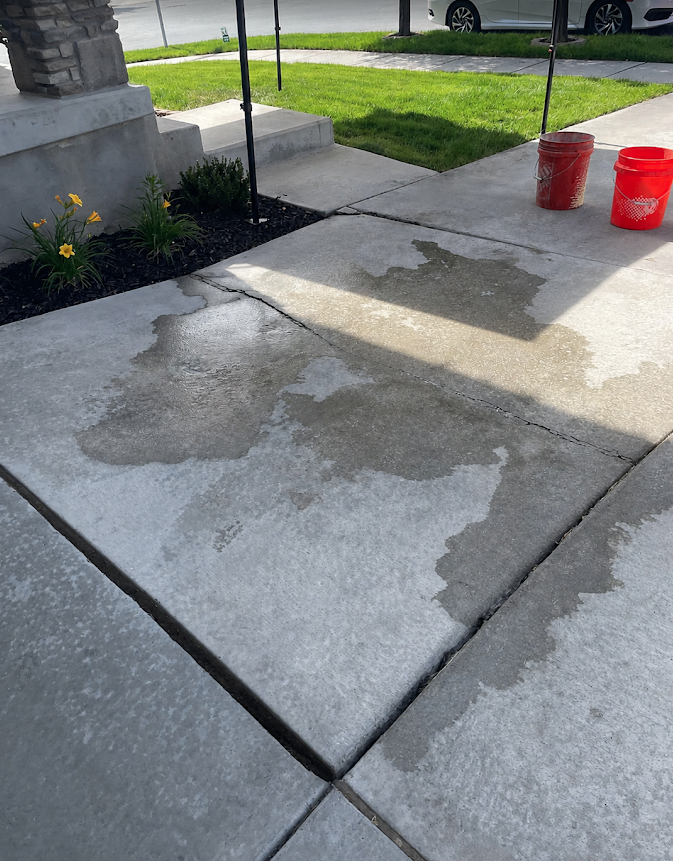
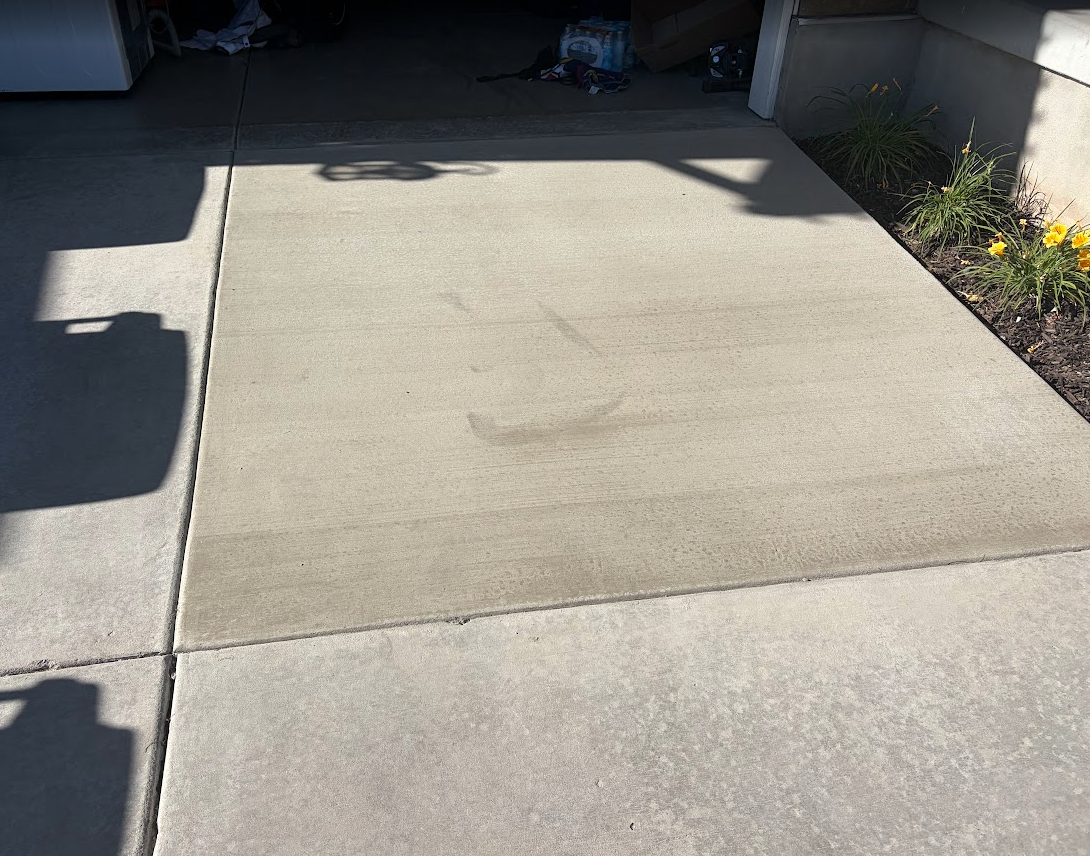
When Lifting Isn't the Right Fix
Polyurethane foam lifting is our first choice — it's faster, cheaper, and less disruptive than replacement. But it only works when the concrete itself is still structurally sound. When a slab is too far gone, lifting it just kicks the can down the road.
Wasatch Concrete Lifting will give you an honest assessment. If replacement is the right call, we'll tell you upfront — and we handle the entire job ourselves, from demolition to finished pour.
Situations That Require Replacement
🌳 Tree Root Damage
Roots that have grown under or through a slab fracture it from the inside. Lifting it just pops it back up — the root is still there. The slab has to come out.
🔴 Severe or Through-Cracking
When cracks run edge-to-edge or a slab has broken into multiple pieces, foam can't hold the sections together. They'll keep shifting and separating.
🧱 Crumbling or Spalled Concrete
Flaking, pitting, or crumbling surfaces — common on older Utah slabs after years of freeze-thaw cycles and de-icing salts — can't be saved by lifting. The concrete itself is failing.
📐 Extreme Settlement
If a slab has dropped 6 inches or more, or the surrounding grade has changed significantly, replacement is often the only way to restore proper slope and drainage.
Lifting vs. Replacement: How We Decide
We'll always recommend the option that makes the most sense for your situation — not the one that costs more.
| Situation | Lift? | Replace? |
|---|---|---|
| Settled slab, concrete intact | ✔ Yes | No |
| Minor hairline cracks | ✔ Usually | Rarely |
| Root-heaved, fractured slab | ✘ No | ✔ Yes |
| Slab broken into pieces | ✘ No | ✔ Yes |
| Crumbling / spalled surface | ✘ No | ✔ Yes |
| Settled 6+ inches | Depends | ✔ Often |
Our Tear Out & Replacement Process
We handle every step — no juggling contractors, no disappearing after demo.
We look at the slab, check for root intrusion or drainage issues, and give you a straight answer: lift it or replace it.
Clean cuts along section boundaries so neighboring concrete stays undisturbed. We break out and haul off the damaged slab.
Roots removed, drainage corrected, grade and compaction fixed before any concrete goes in.
Proper base material and forms set to the right grade — this is where a 30-year pour is made.
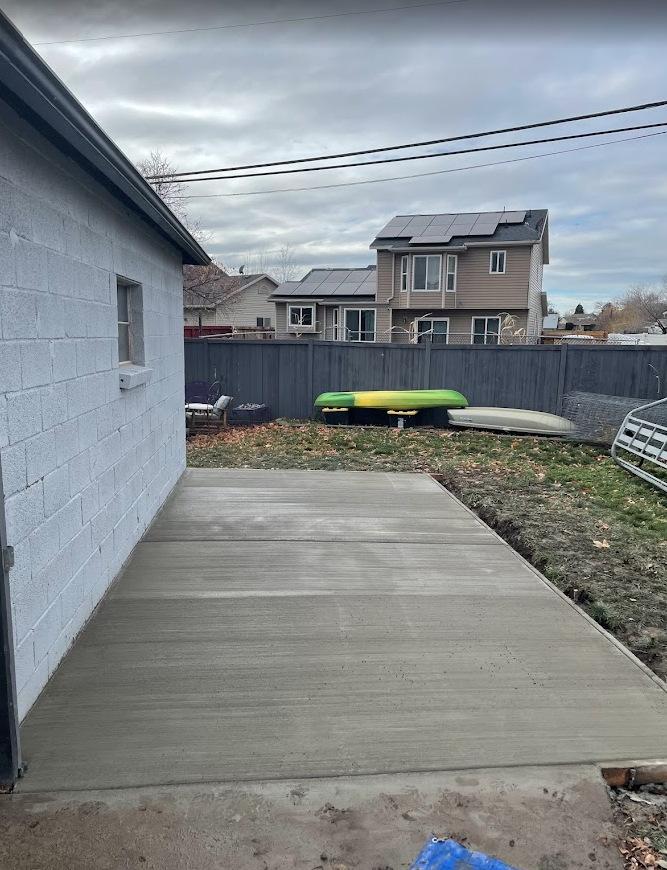
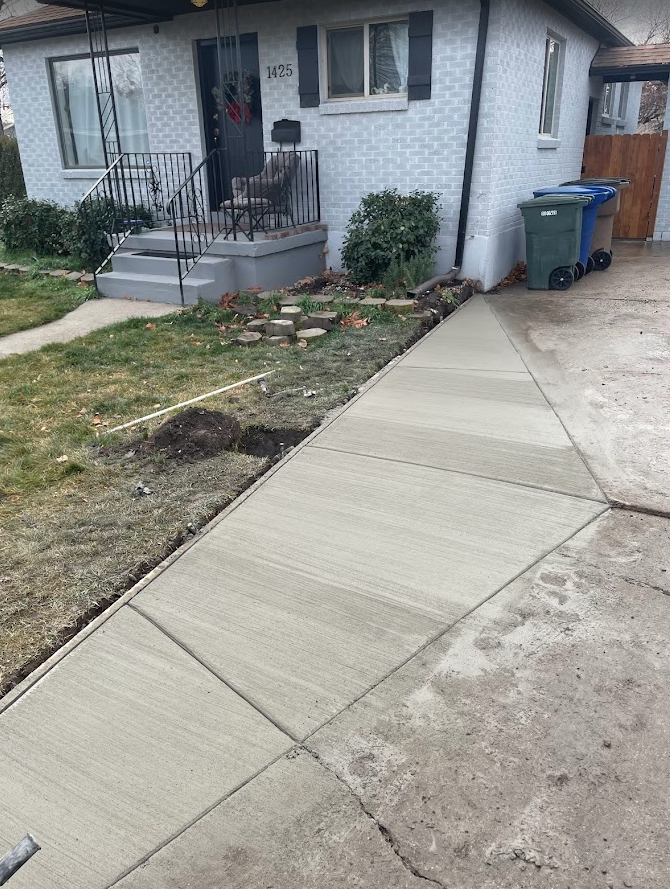
Fresh concrete finished to match the surrounding surface, with control joints placed to manage future cracking.